|
🚨 RECALL
|
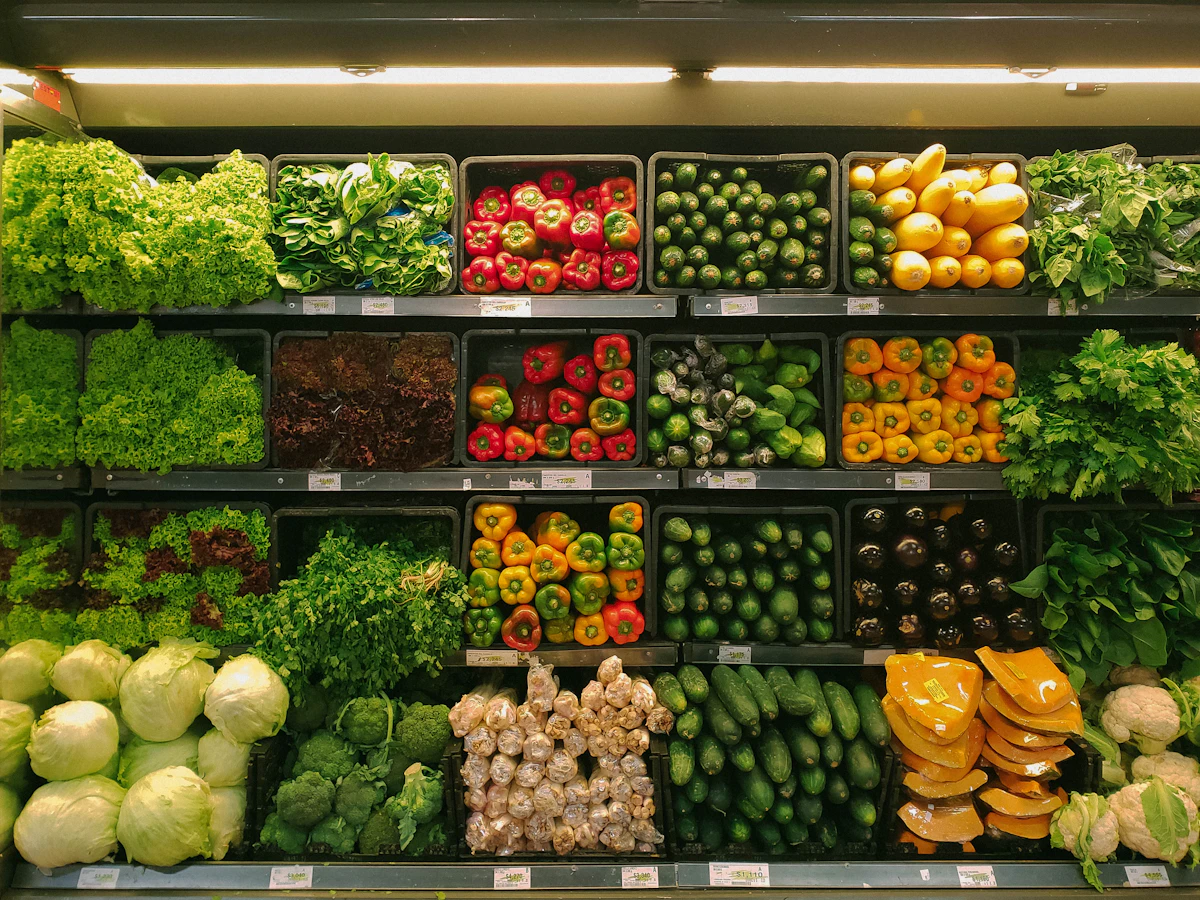
Weis Markets, Inc. has issued a voluntary Class II recall for its Weis 'Fresh From the Orchard' Pasteurized Apple Cider across Pennsylvania after regulatory testing detected elevated levels of patulin. Patulin is a toxic fungal mycotoxin produced by molds such as Penicillium expansum commonly found in damaged or rotting apples. The recall affects pints, half-gallons, and one-gallon plastic jugs across multiple pull dates ranging from July 17 through September 30, 2026.
Check your pantry: Weis Fresh From the Orchard Pasteurized Apple Cider, 100% Juice, sold in Pints, 1/2 Gallons, and Gallons at Weis Markets in PA with expiration/pull dates of 7/17/26, 8/4/26, 8/13/26, 8/28/26, 9/4/26, 9/11/26, and 9/30/26 (FDA Recall H-1308-2026). Discard or return to store.
Heirloom Lens: Patulin is an electrophilic polyketide mycotoxin produced primarily by blue mold (*Penicillium expansum*). Crucially, patulin is heat-stable and easily survives standard commercial pasteurization; traditional safety relies entirely on meticulous pre-press physical culling of bruised and fallen orchard fruit rather than post-press thermal processing.
Source: openFDA Food Enforcement
|
🚨 RECALL
|
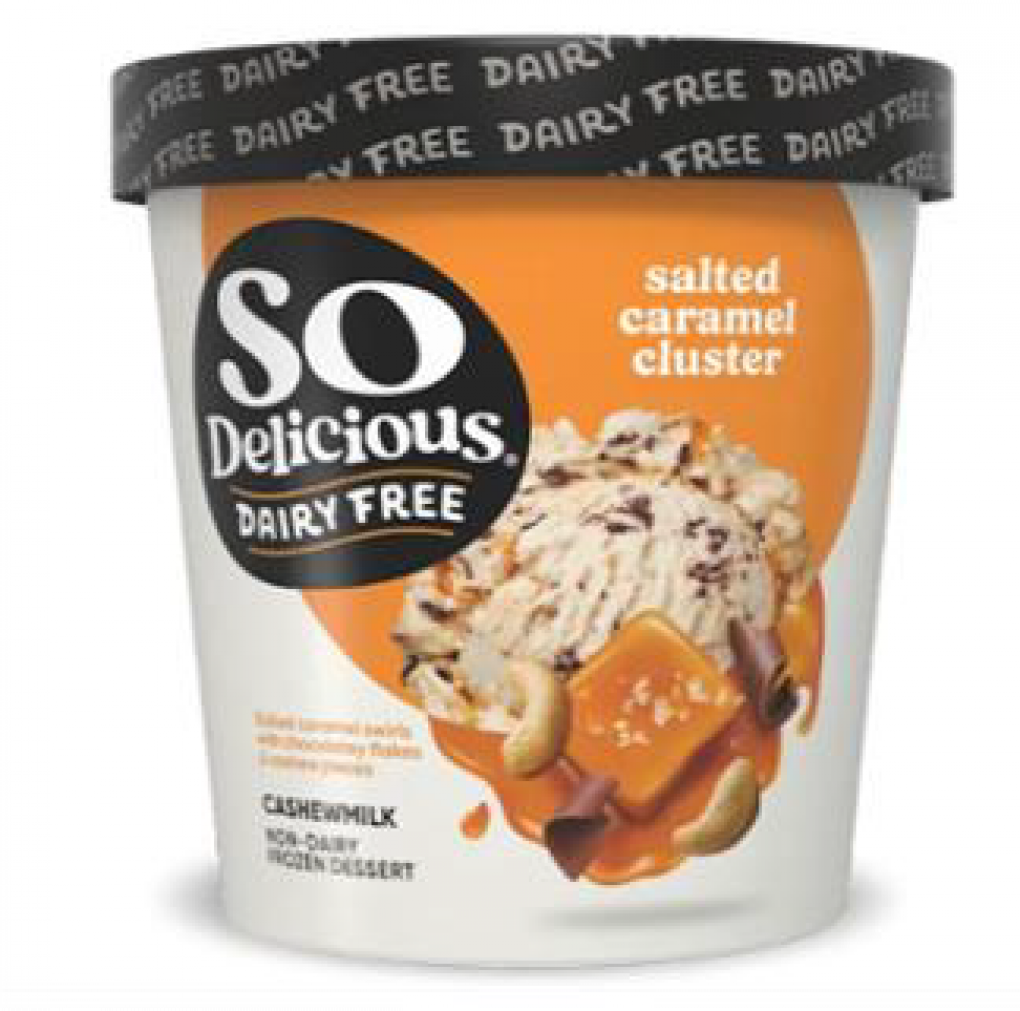
Danone USA has issued a voluntary nationwide recall of So Delicious Dairy Free Salted Caramel Cluster Non-Dairy Frozen Dessert pints due to the potential presence of foreign physical materials, including small stones and hard objects within cashew inclusions. The nationwide recall covers pint containers bearing UPC 744473476138 and Best-By dates on and before April 3, 2028, after consumer complaints alerted the manufacturer to physical contamination.
Check your pantry: So Delicious Dairy Free Salted Caramel Cluster Non-Dairy Frozen Dessert, 1 Pint, UPC 744473476138, Best-By dates on or before April 3, 2028 (Lot code 136603). Check freezers and return to point of purchase.
Source: U.S. Food and Drug Administration

|
⚖️ LITIGATION
|
A proposed class action lawsuit filed in the U.S. District Court for the Eastern District of New York alleges that McCormick & Company misled consumers by marketing Cholula Hot Sauce as 'Original' and 'crafted from a generations-old family recipe' after quietly reformulating the product with cheaper, lab-produced ingredients. According to the complaint, McCormick altered the historic recipe of water, arbol and piquin peppers, salt, and vinegar by introducing industrial acetic acid, engineered 'natural flavor,' and higher ratios of xanthan gum.
Heirloom Lens: Traditional fermented hot sauces rely on whole chili peppers, sea salt, and naturally aged vinegar where acetic acid is biologically produced through slow bacterial fermentation alongside rich organic esters. Substituting synthesized glacial acetic acid and isolated flavorings mimics sensory sourness but bypasses the complex antioxidant and probiotic microbial matrix of authentic slow food preparation.
Source: ClassAction.org

|
📰 REPORTING
|
Ingredient conglomerate Ingredion has advanced its $3.6 billion acquisition of Tate & Lyle, aiming to expand its texture and mouthfeel solutions portfolio to over 50% of total revenue. As consumer packaged goods companies race to reformulate ultra-processed foods with added fiber, reduced sugar, and high protein, Ingredion is positioning its combined portfolio of modified starches, hydrocolloids, and stevia extracts as the central supplier for industrial food texture engineering.
Heirloom Lens: The drive to engineer precise textures and mouthfeel in ultra-processed foods often relies on novel starches, gums, and hydrocolloids. These ingredients, while technically derived from natural sources, are highly modified to perform specific functions, shifting the emphasis from the inherent textural qualities of whole foods to controlled sensory experiences, often masking a lack of nutritive density.
Source: Food Dive

|
🏛️ POLICY & REGULATION
|
Public health expert Marion Nestle has published an analysis detailing intense food industry lobbying ahead of the USDA's forthcoming proposed rule aligning Child Nutrition Programs with the 2025–2030 Dietary Guidelines for Americans. White House OIRA meeting records show trade groups representing meat processors, commercial bakeries, and pre-packaged meal contractors pushing to protect ultra-processed offerings, citing school kitchen equipment deficits and labor constraints.
Heirloom Lens: The debate over school meal guidelines highlights the tension between public health and industrial food production. Lobbying efforts often prioritize convenience and the continued use of highly processed, shelf-stable ingredients, potentially undermining the nutritional goals rooted in whole, minimally processed foods that have historically nourished children.
Source: Food Politics

|
🔬 TESTING & CHEMICALS
|
Environmental health advocacy organization Toxic-Free Future reports that state-level legislative bans on PFAS in food contact materials now cover roughly 30% of the U.S. population across 12 states. While federal oversight remains reliant on voluntary industry phase-out agreements, state mandates and consumer testing campaigns have compelled more than two dozen major grocery and restaurant chains to eliminate per- and polyfluoroalkyl substances from takeout containers, wraps, and deli paper.
Heirloom Lens: The push to eliminate PFAS from food packaging reflects a growing awareness of the long-term health and environmental impacts of these 'forever chemicals.' Shifting towards truly non-toxic and biodegradable packaging materials is crucial for protecting both consumer health and ecological systems from persistent synthetic contaminants.
Source: Toxic-Free Future
In the quest for convenience, sometimes the most authentic ingredients become mere suggestions, leaving industrial chemists to fill the flavor gap, one synthetic note at a time.