|
🚨 RECALL
|
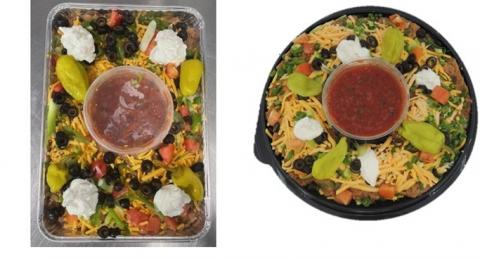
WinCo Foods of Boise, ID is recalling two sizes of Salsa Bean Dip Trays due to the inclusion of recalled Golden Greek Peperoncini from G.L. Mezzetta, which were recalled for potential pest contamination. The affected peperoncini were used as an ingredient in the bean dip trays with Best If Used By dates of Aug. 14 through Sept. 25, 2026. The trays were distributed at WinCo Foods stores in Arizona, California, Idaho, Montana, Nevada, Oregon, Utah and Washington. No illnesses have been reported.
Check your pantry: Check your pantry: WinCo Foods Salsa Bean Dip Tray Express (54oz, UPC 2-67173-#####) and 16-inch Catering Tray (104oz, UPC 2-67240-#####), Best If Used By Aug 14 – Sept 25, 2026, sold at WinCo Foods stores in AZ, CA, ID, MT, NV, OR, UT, WA. Do not consume; discard or return to store.
Source: FDA Recalls & Safety Alerts

|
🚨 RECALL
|
Gardeners Basics of Spanish Fork, Utah is recalling one-pound bags of Waltham 29 Broccoli Sprouting Seeds because they may be contaminated with Salmonella. The affected product was sold in 1 oz and 1 lb packet sizes. The company was informed by its supplier that the seeds may be contaminated. Consumers are urged not to plant, sprout, or consume the seeds and to return them to the place of purchase.
Check your pantry: Check your pantry: Gardeners Basics Waltham 29 Broccoli Sprouting Seeds, 1 oz and 1 lb packet sizes, purchased online July 8 through September 28, 2026. Do not plant, sprout, or eat. Return to place of purchase for refund.
Source: CDC Food Safety (recall stream)
|
🏛️ POLICY & REGULATION
|
The FDA released the 2026 edition of the FDA Food Code on September 17, its first complete update since 2022. Key changes include a new requirement for written employee illness policies, an exception allowing double-gloving under specific conditions with regulatory approval, expanded alternative cooling processes for time/temperature control foods, and increased emphasis on Food Safety Management Systems. The Food Code serves as a model for state and local regulators overseeing more than one million restaurants and retail food establishments nationwide.
Source: FDA Recalls & Safety Alerts

|
📰 REPORTING
|
The FDA finalized its investigation into the largest cyclospora outbreak in U.S. history, confirming Cyclospora-positive samples from a wastewater tank at the Taylor Farms de Mexico processing facility and a drainage ditch at an iceberg lettuce grower. The outbreak sickened 19,883 people across 21 states, with two deaths. While the outbreak is declared over, the findings show the parasite was present in the environment where lettuce was grown and processed, though FDA cannot yet determine how contamination occurred.
Source: Civil Eats
|
📰 REPORTING
|
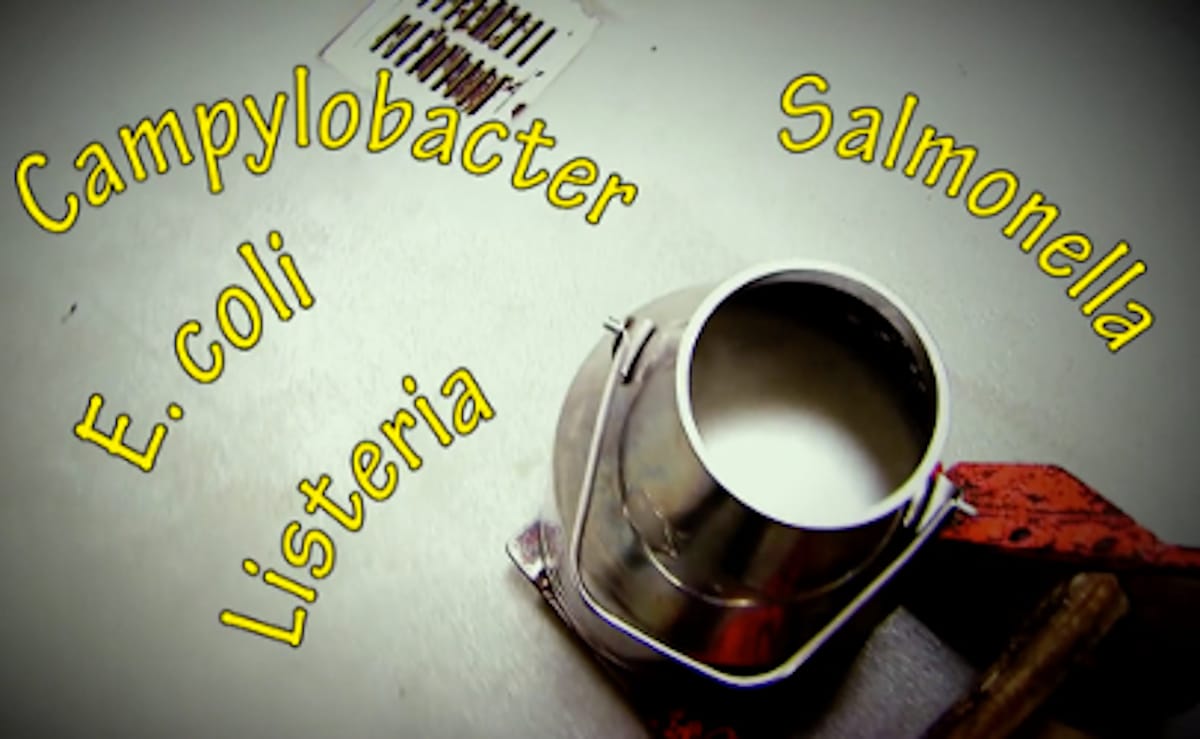
The American Academy of Pediatrics published a policy statement in Pediatrics calling for a nationwide ban on the sale and distribution of raw milk and raw milk products, including raw milk cheeses. The statement, authored by the AAP Committee on Infectious Diseases and Committee on Nutrition, cites emerging H5N1 bird flu risks alongside well-documented E. coli, salmonella, and listeria threats. The call comes as 13 people across nine states are sick with E. coli from Graziers raw milk cheese, more than half of them children under 5.
Source: Food Safety News

|
🔍 INVESTIGATION
|
ProPublica investigation finds that California regulators failed to impose meaningful penalties on a raw milk farm after two young girls fell ill. The farm, linked to more than a dozen recalls and outbreaks that left hundreds ill over two decades, continued operating despite repeated FDA violations. The investigation reveals how political shifts at federal agencies deprioritized enforcement actions against raw dairy producers, even as the industry expanded.
Source: ProPublica
|
📰 REPORTING
|
Governor Gavin Newsom signed Assembly Bill 2244 creating the first-in-the-nation label marking foods as not ultra-processed. The voluntary seal for manufacturers will require large grocery stores carrying at least 25 products to display it prominently, though the state health department will not roll out phase one until June 2029. Under California law, ultra-processed foods contain additives like artificial flavors, colors, emulsifiers, or artificial sweeteners alongside high saturated fat, sodium, or added sugar.
Source: Food Dive
Twelve thousand people sickened by cyclospora and the answer was sitting in a wastewater tank all along — sometimes the contamination is not in the lettuce but in the infrastructure that grows it.